The great gardens
Private scholars' gardens in Suzhou, Shanghai and Yangzhou, and one vast imperial garden in Beijing.
Garden guides
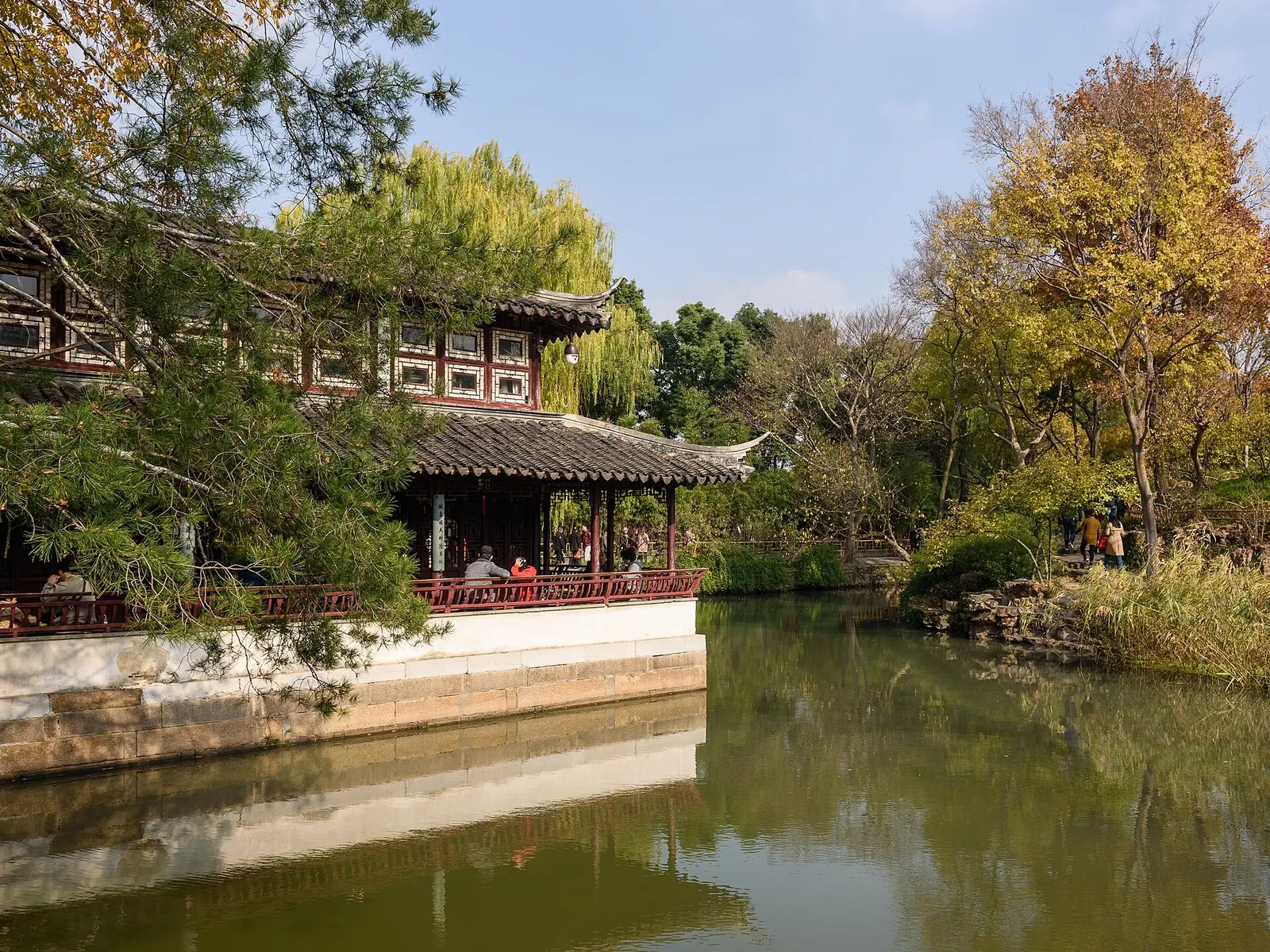 The Humble Administrator's GardenA guide to the Humble Administrator's Garden in Suzhou, the largest of the city's classical gardens: its history, its three parts, the best views and tips for visiting.
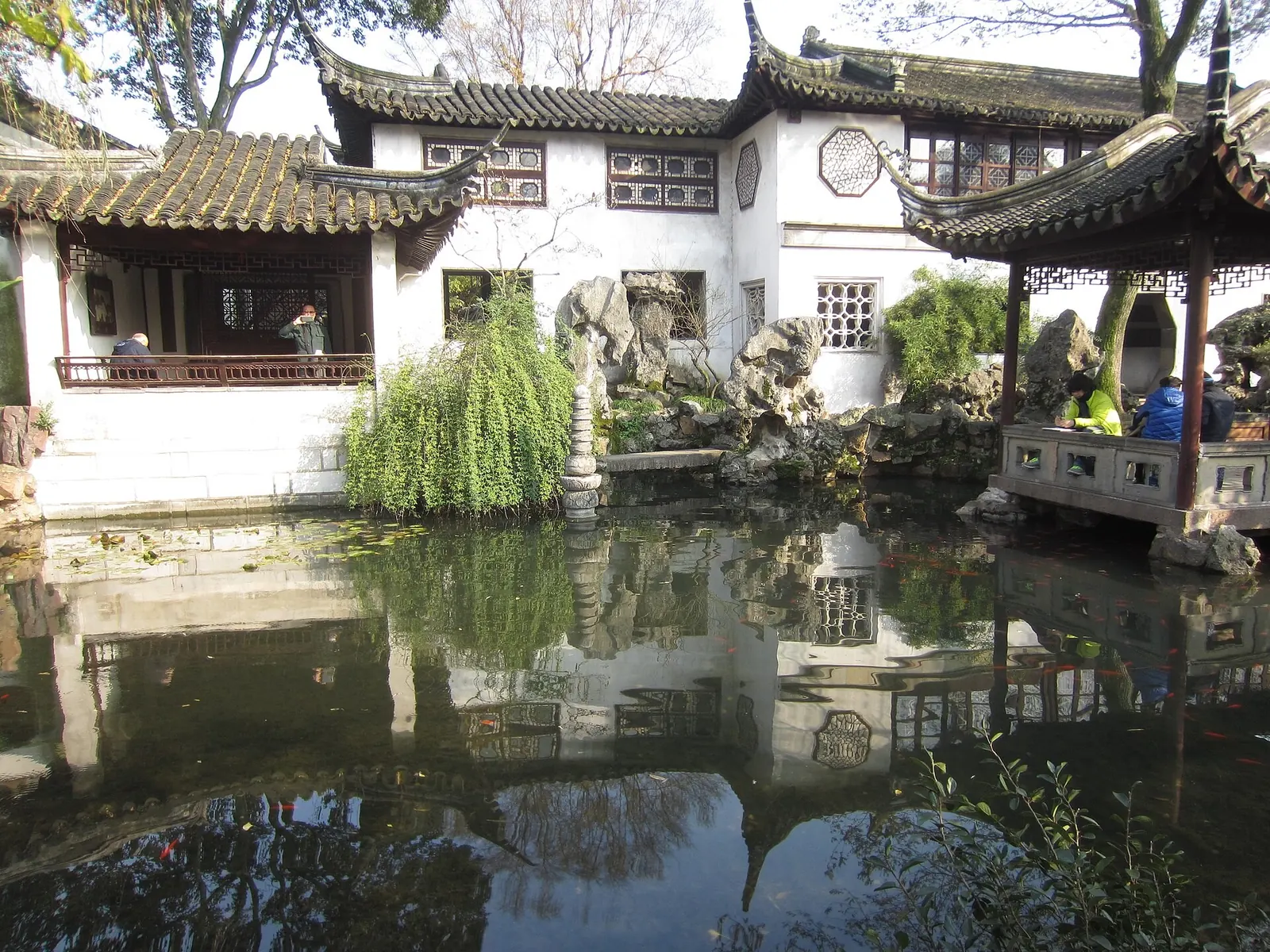 The Lingering GardenA guide to the Lingering Garden in Suzhou: its history since the Ming dynasty, the Cloud-Capped Peak rock, the long corridor with its calligraphy and windows, and visiting tips.
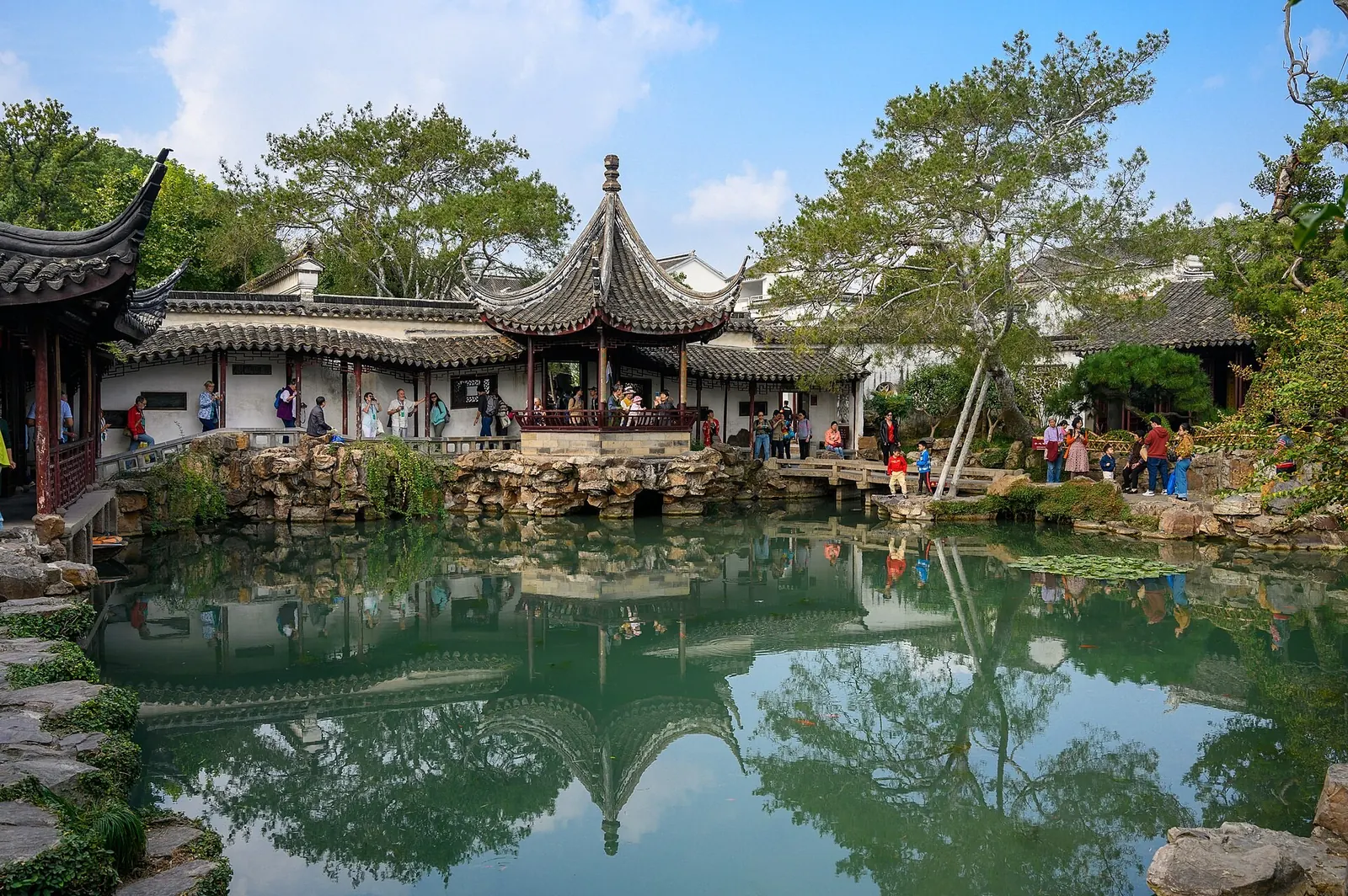 The Master of the Nets GardenA guide to the Master of the Nets Garden, the smallest and perhaps most perfect of Suzhou's classical gardens, its fisherman symbolism, its scale, and its copy in New York's Metropolitan Museum.
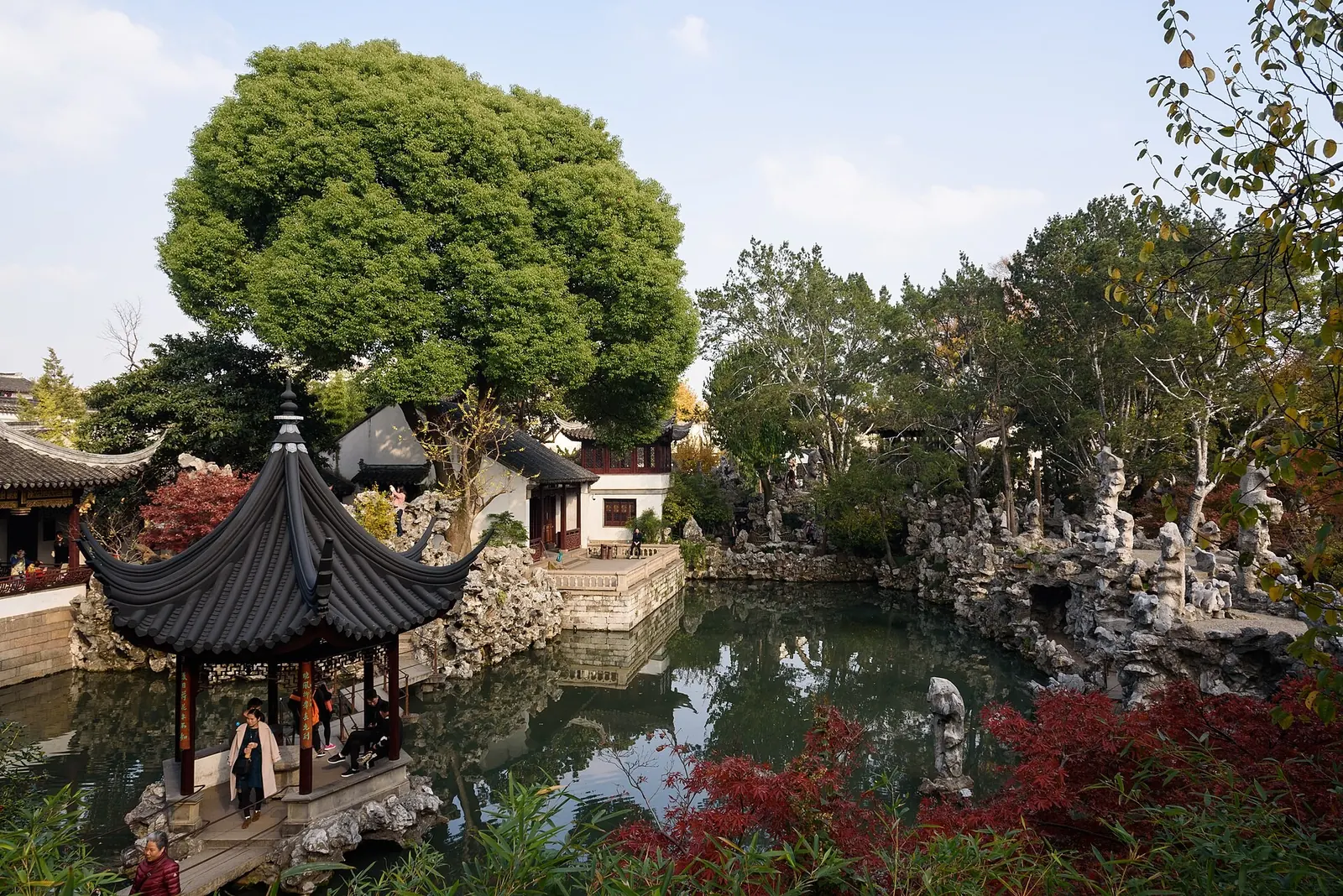 The Lion Grove GardenA guide to the Lion Grove Garden in Suzhou, famous for its maze of Taihu limestone rocks: its Buddhist origins, the lion-shaped rocks, and tips for exploring the rockery.
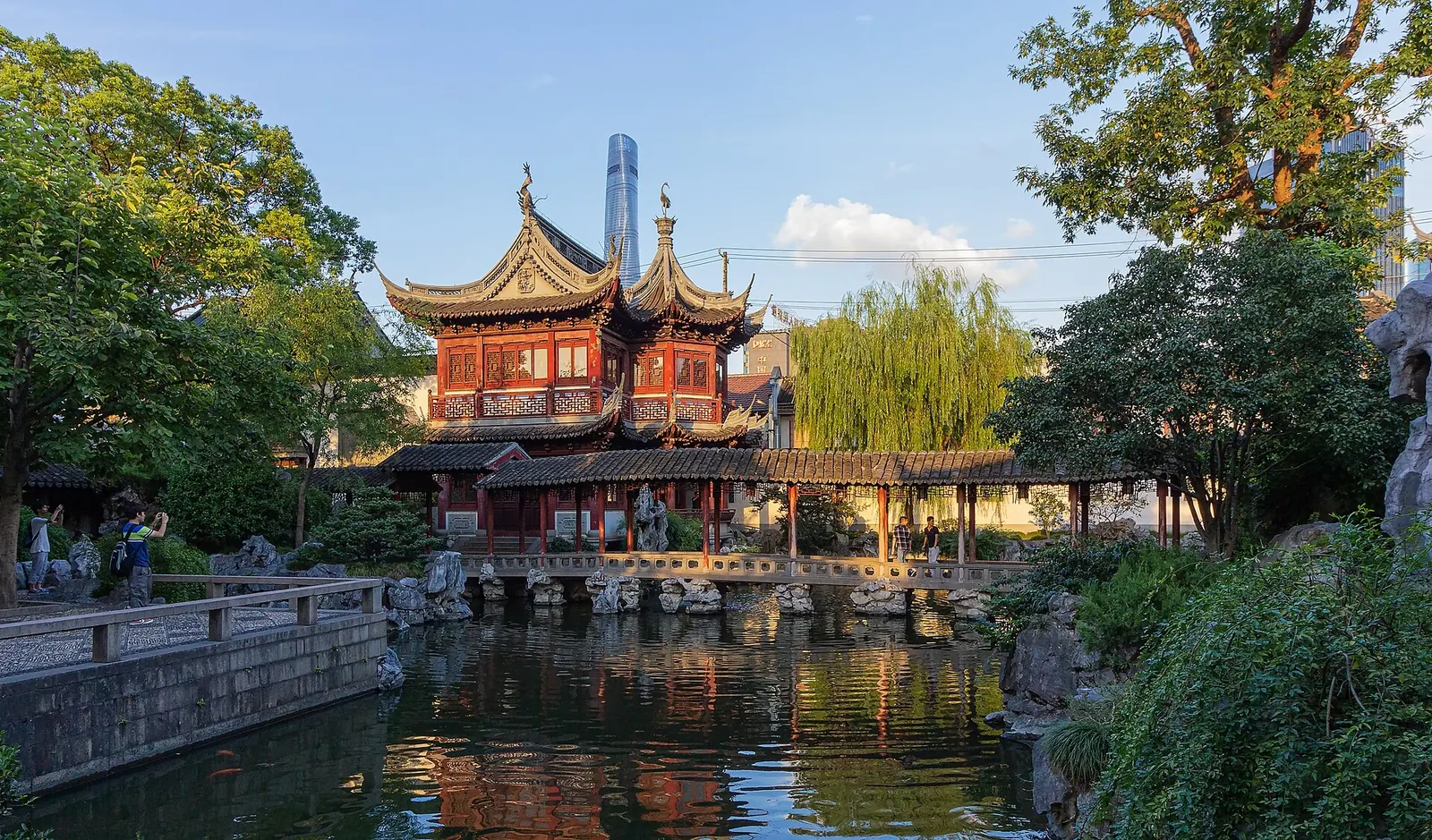 Yu Garden, ShanghaiA guide to Yu Garden in Shanghai's old town: its Ming-dynasty origins, the Exquisite Jade rock, the dragon walls, the zigzag bridge and the bazaar around it, with visiting tips.
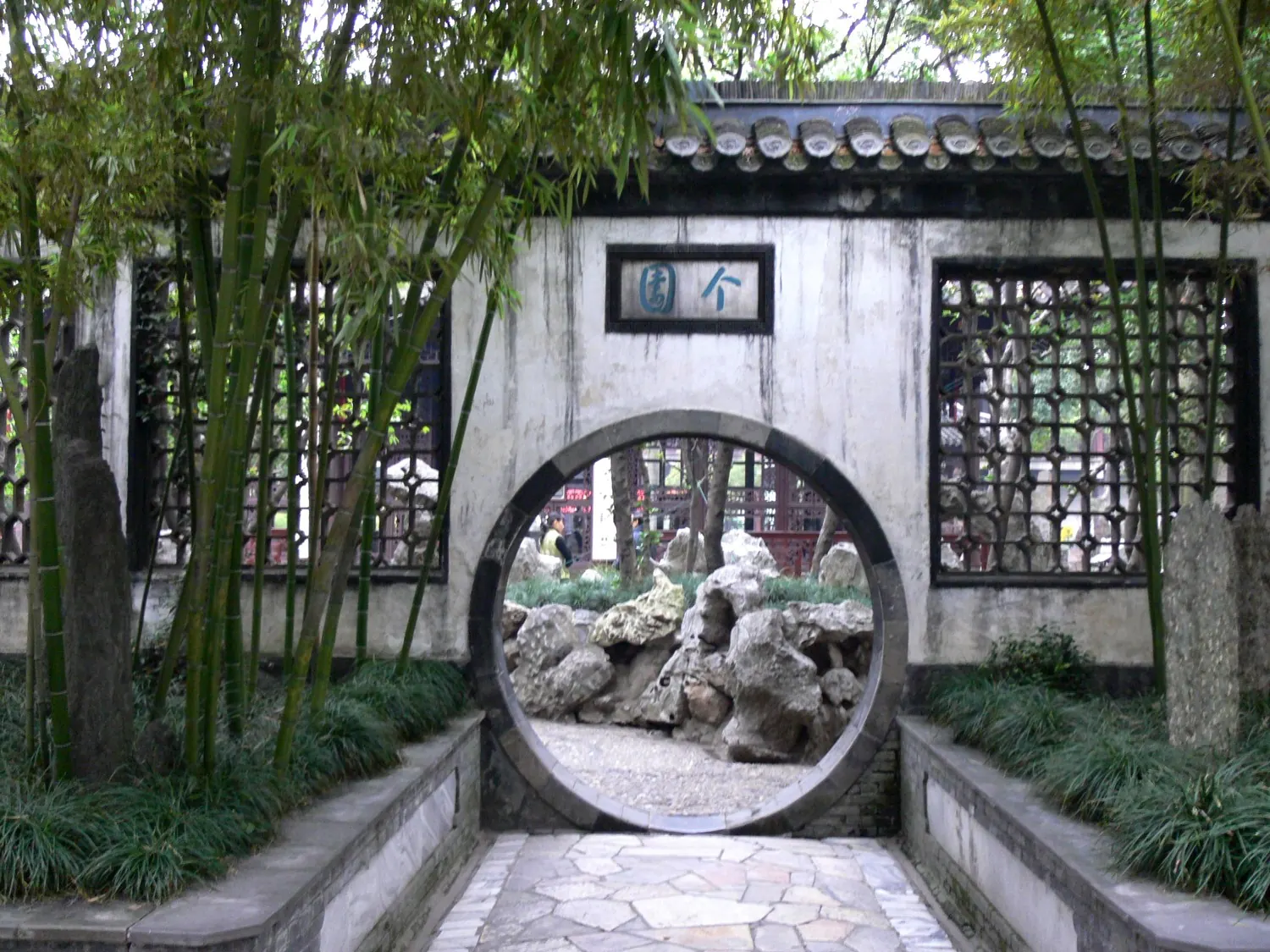 Ge Garden, YangzhouA guide to Ge Garden in Yangzhou, the salt merchant's garden famous for its bamboo and its four rockeries representing spring, summer, autumn and winter.
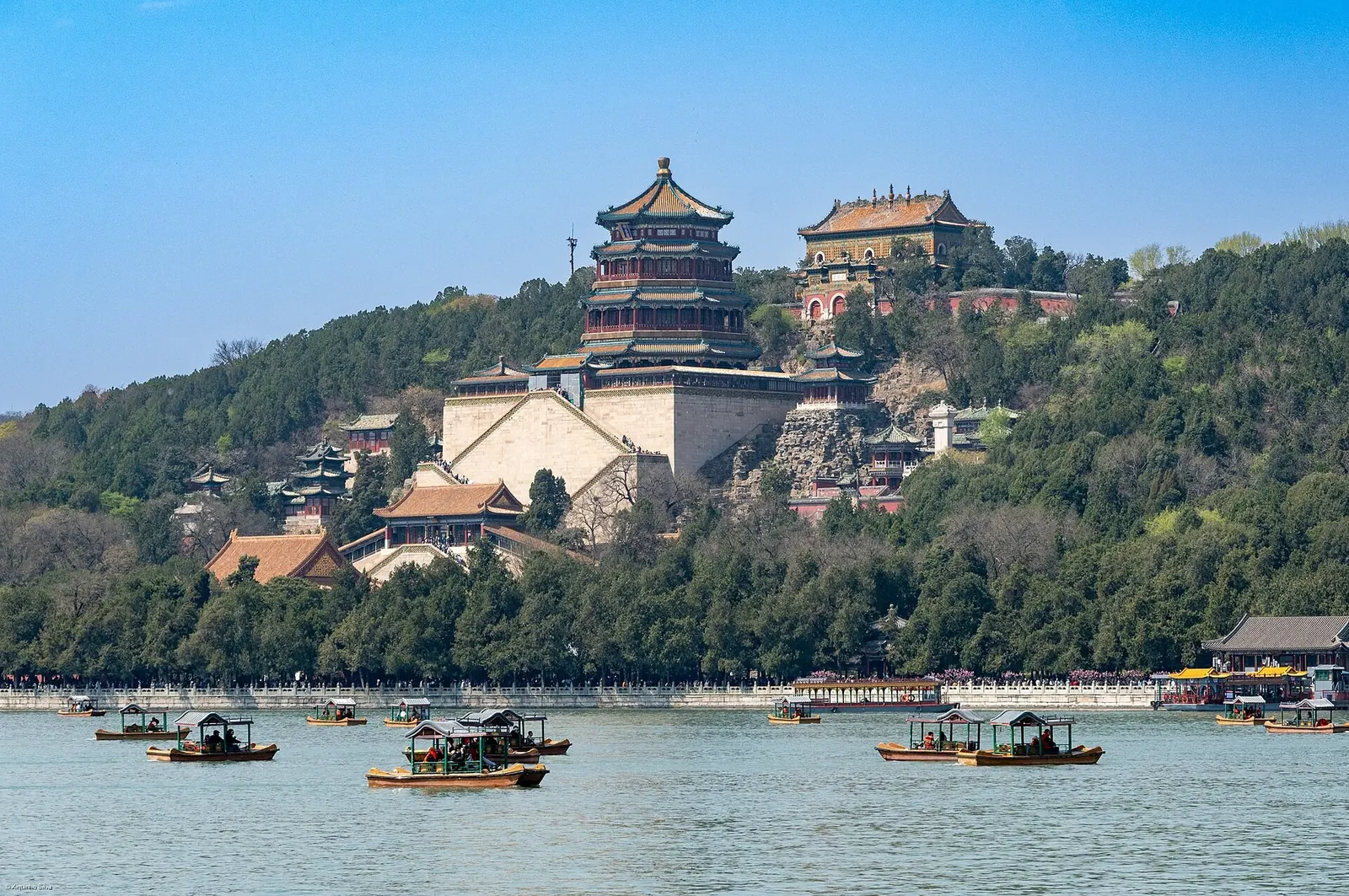 The Summer Palace, BeijingA guide to the Summer Palace in Beijing, the great imperial garden: Kunming Lake and Longevity Hill, the Long Corridor, the Marble Boat, its history under Qianlong and Cixi, and visiting tips.
Two kinds of garden
Scholars' gardens were built by officials, merchants and retired scholars beside their homes, mostly in the prosperous cities of the lower Yangtze. They are small, enclosed and intimate, designed for poetry, painting, music and conversation with friends.
Imperial gardens were built by emperors on a huge scale, often copying famous landscapes from across the empire. The Summer Palace and the Chengde Mountain Resort are the best surviving examples.