Plants and their meanings
In a classical garden, plants are chosen as much for what they mean as for how they look, and for the season in which they shine.
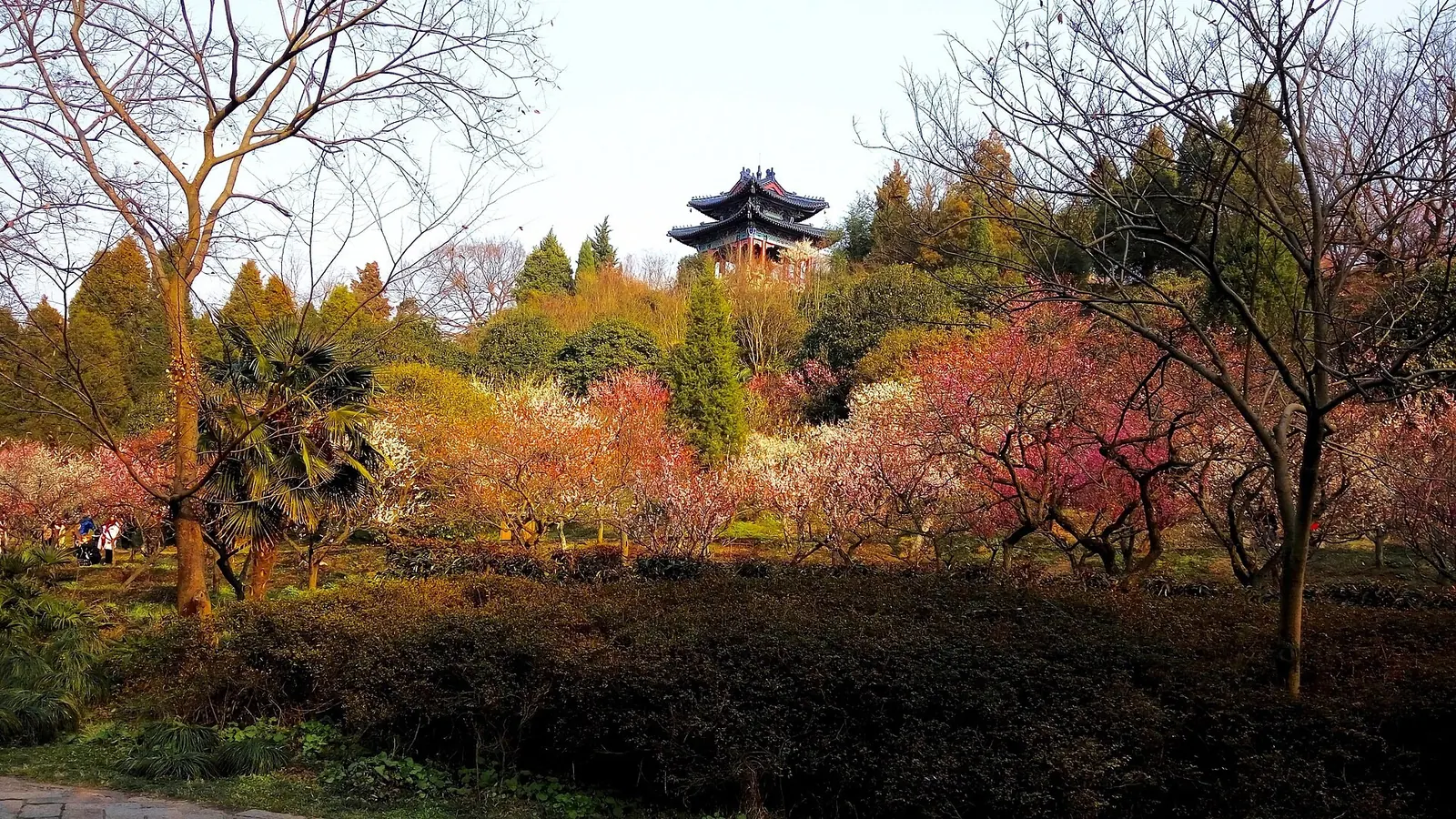
The Three Friends of Winter
Pine, bamboo and plum stay green or flower in the cold, so they stand for steadfastness and integrity in hard times. They are painted together and planted near each other.
The Four Gentlemen
- Plum blossom (méi, Prunus mume): flowers in late winter, sometimes in snow; resilience and hope. The first flowers of the gardening year.
- Orchid (lán): modesty and refinement; grown in pots and admired for scent rather than show.
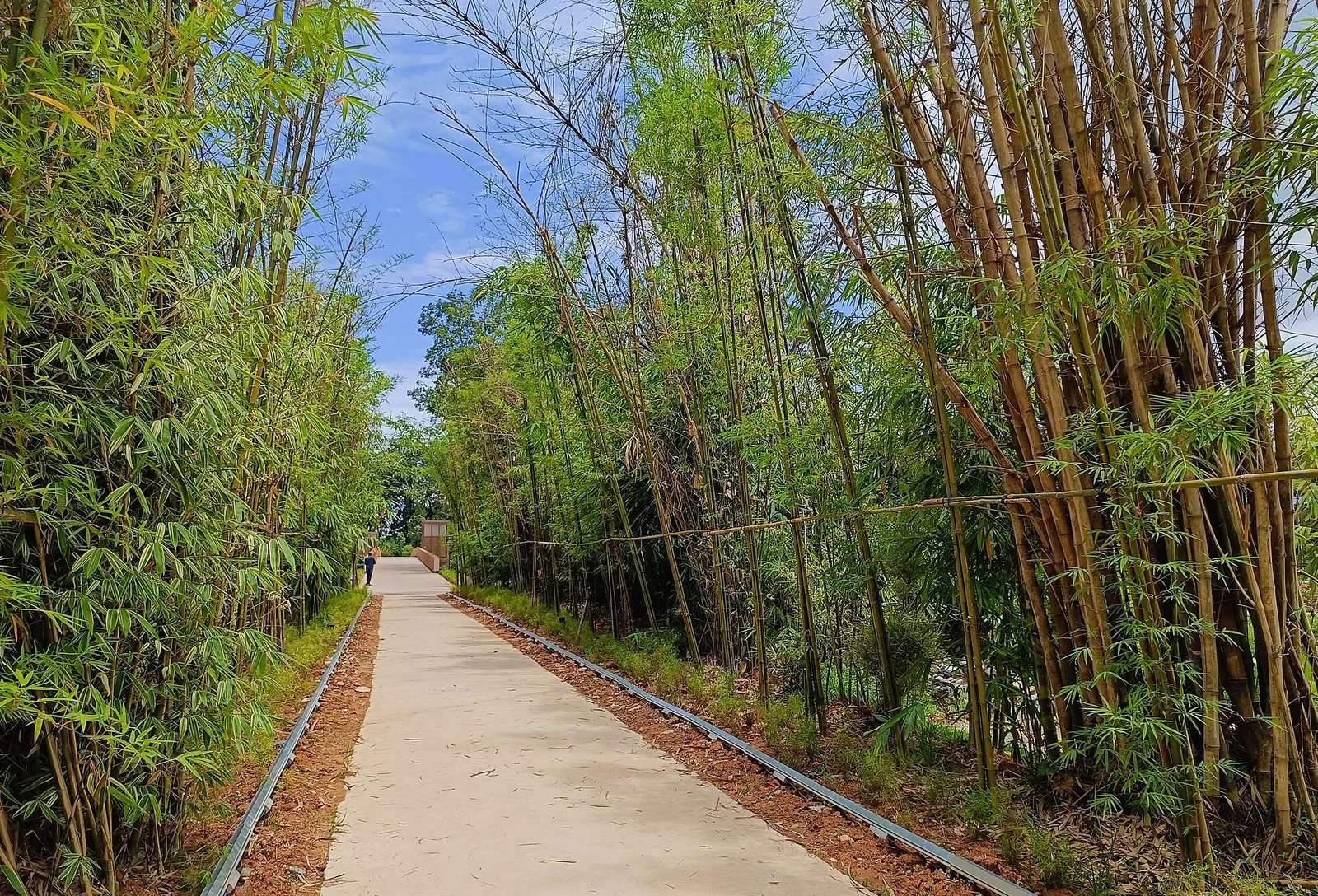
- Bamboo (zhú): bends in the wind but doesn't break; hollow inside, a symbol of humility; upright, like a person of integrity.
- Chrysanthemum (jú): flowers late in autumn; associated with the poet Tao Yuanming and the joys of retirement.
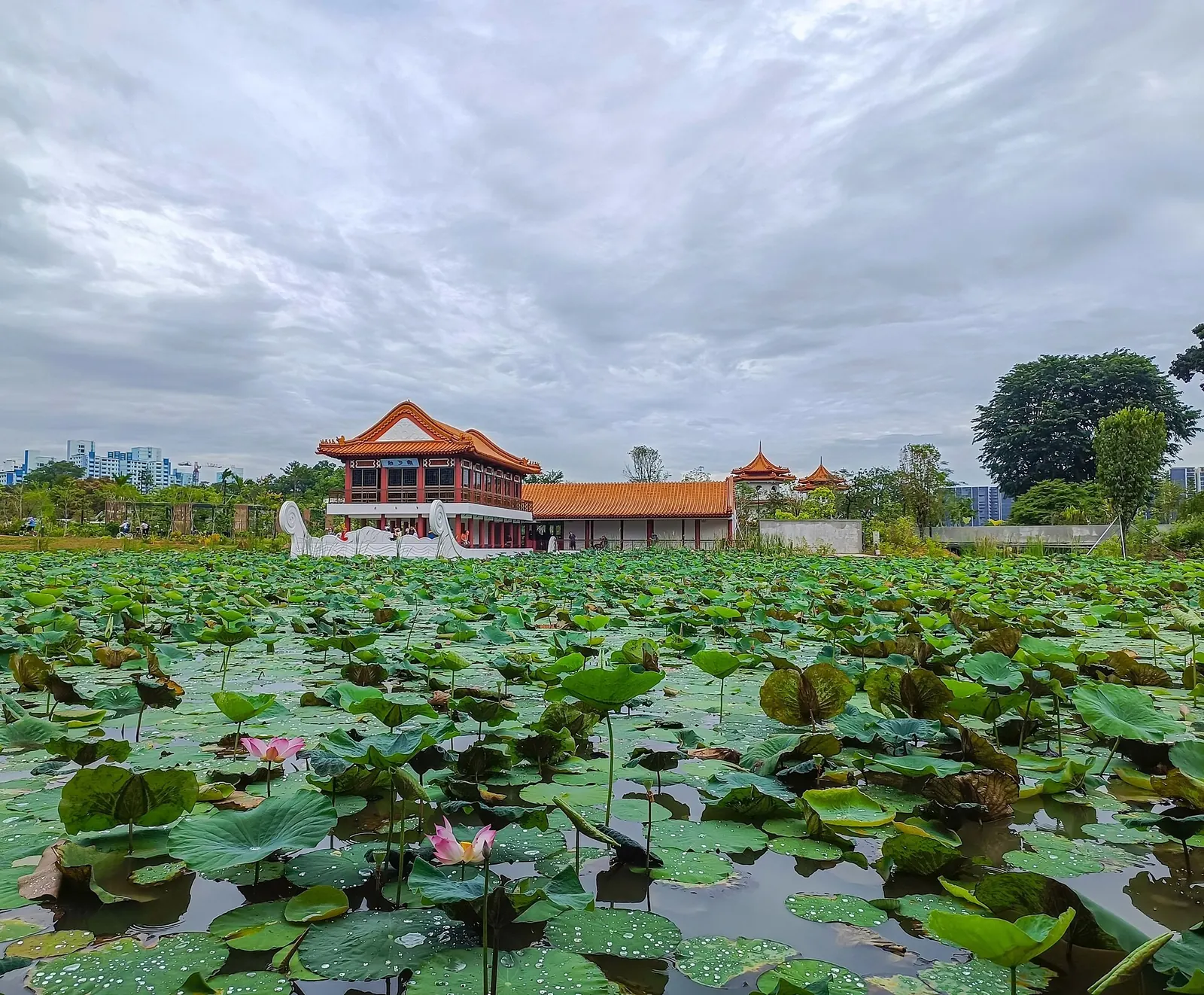
Lotus
The lotus grows out of mud yet flowers clean, so it represents purity, and it is important in Buddhism. Lotus ponds are at their best in July and August, early in the morning, when the flowers open.
Other important plants
- Tree peony (mǔdān): "king of flowers", wealth and honour; April–May.
- Osmanthus (guìhuā): tiny flowers with a powerful sweet scent in September–October, linked to the Mid-Autumn Festival and success in exams.
- Willow: grace and parting; branches were given to friends leaving on a journey.
- Pine: long life; old twisted pines are prized.
- Wisteria, magnolia, crabapple and camellia mark spring; maples mark autumn.
Penjing
Many gardens keep collections of penjing, miniature trees and landscapes in trays, the Chinese art that inspired Japanese bonsai. The Lingering Garden and the Humble Administrator's Garden both have good displays.